Across every field and era — in their own words
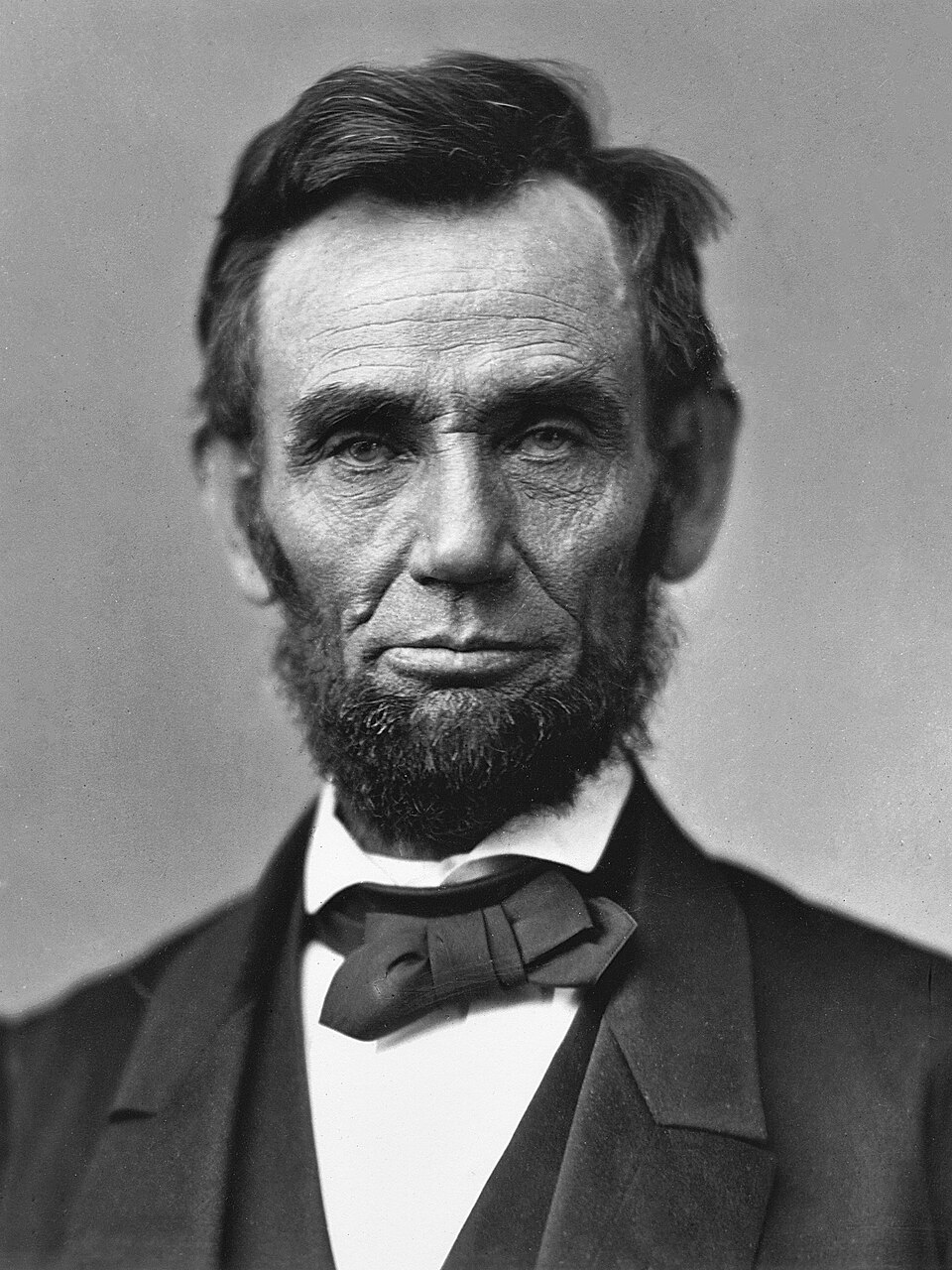
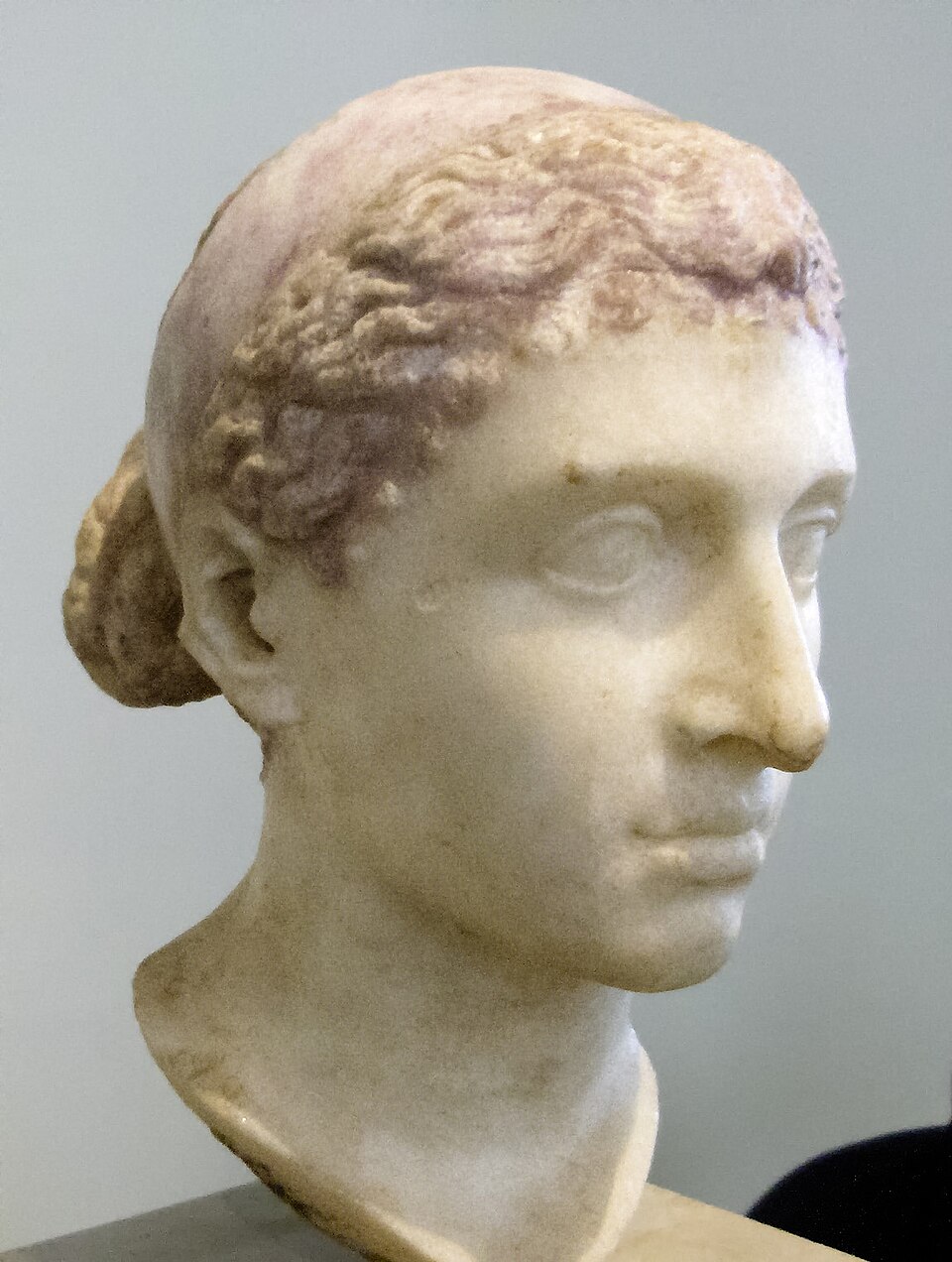
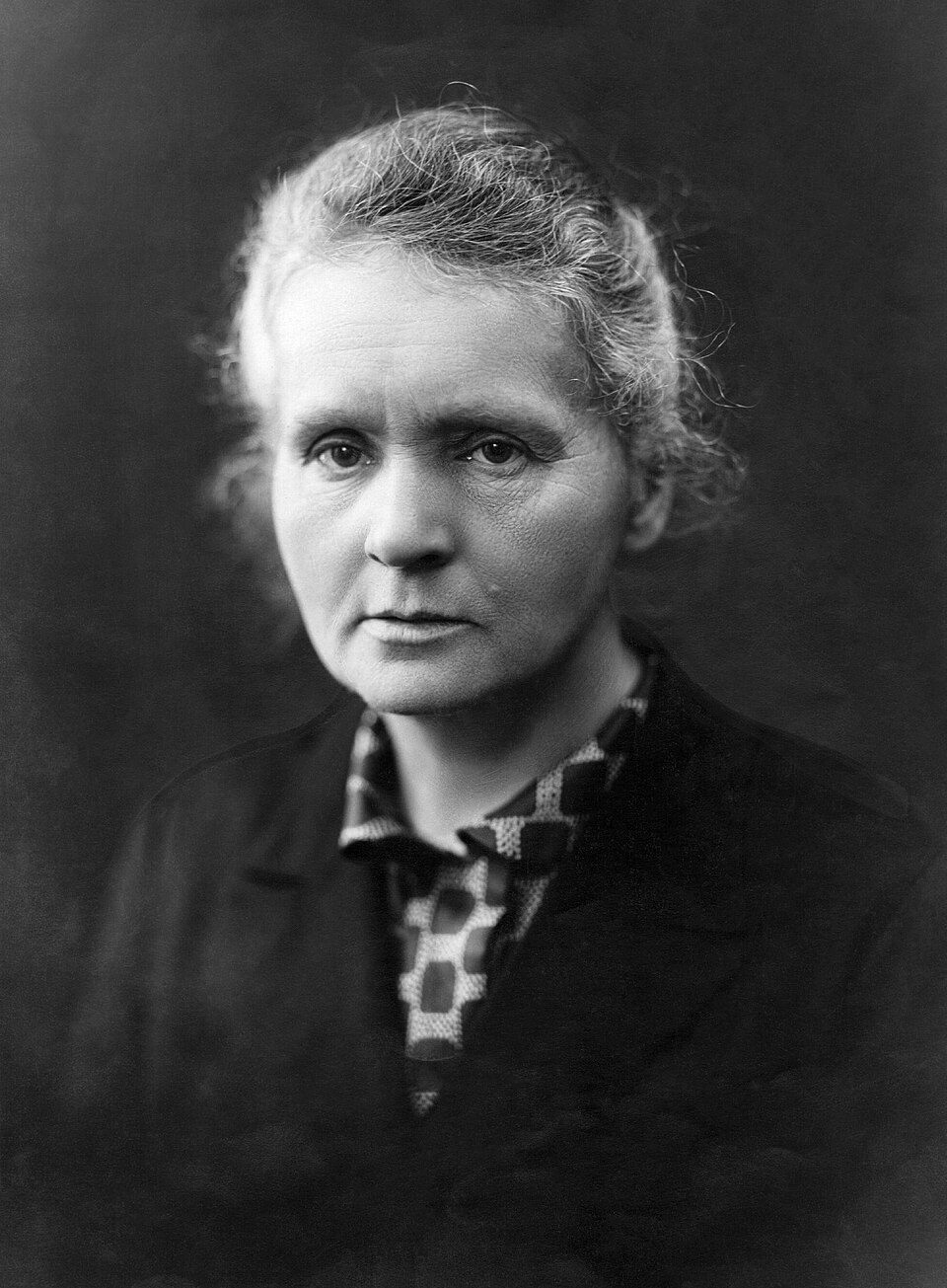
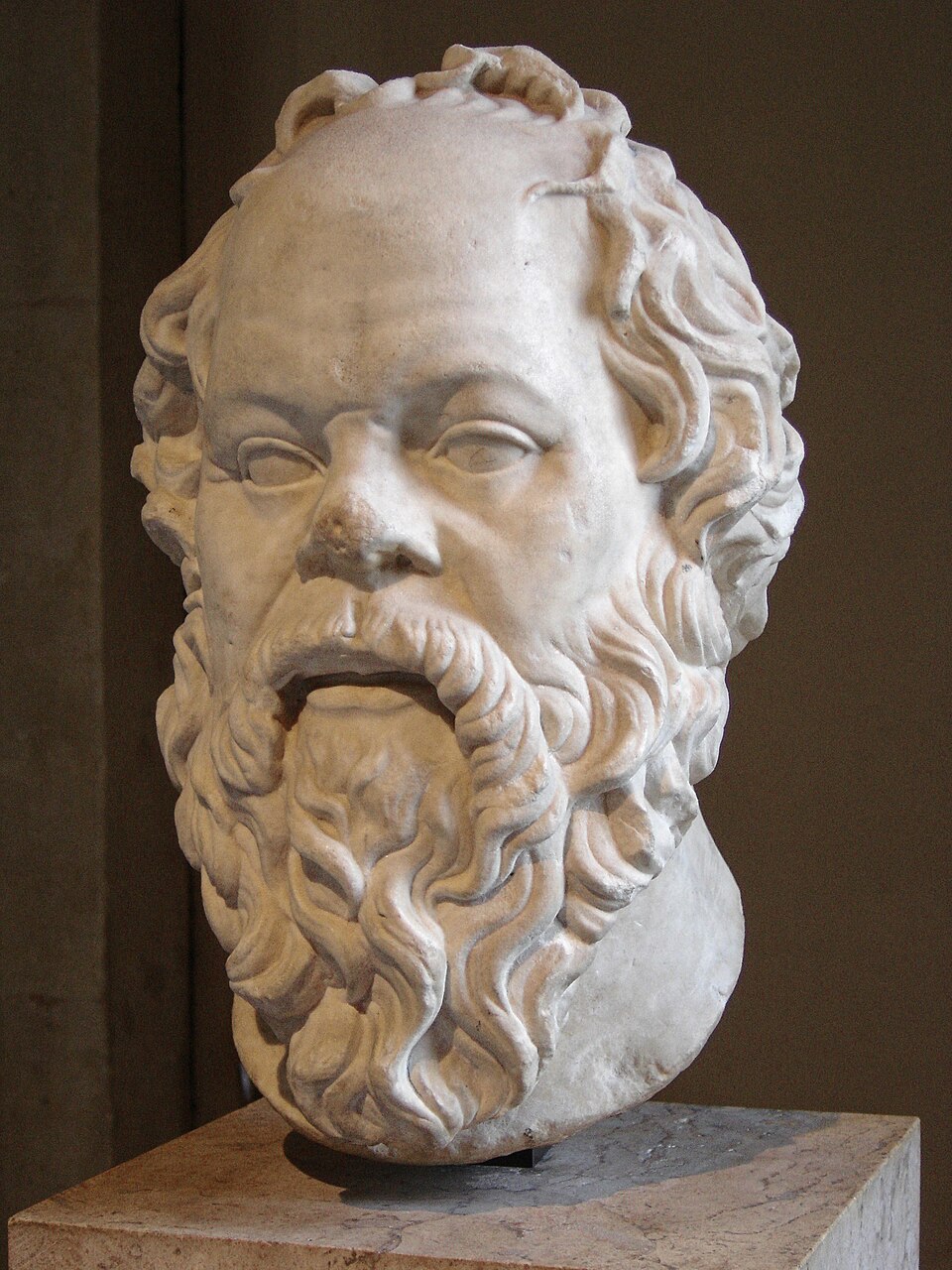
Chat with Einstein, Lincoln, Cleopatra — a philosopher, a scientist, an explorer. 56 figures across every field and era. Ask about a discovery, a decision they made, or the world they lived in, and hear them answer in their own voice — with the record shown.
“Their words. Their world. In their own voice.”
Already have an account? Sign in.
1,247+
conversations
8,931+
messages exchanged
56
figures
How it works
No tools to learn. You type a question; they answer.
1
Pick from 56+ figures across every field and era — Einstein, Lincoln, Cleopatra, a philosopher, a scientist, an explorer.
2
A discovery, a decision they made, the world they lived in, or simply what they were thinking. Plain, honest questions welcome.
3
In their own voice and era — with their documented words clearly marked from imaginative extension, and the record shown.
A film is on the way
Talk to anyone who shaped the world — or gather them into one room, and let them answer each other.
Our film is in production
Until it premieres, the best way to see it is to begin a conversation of your own.
Meet the figures →Twelve to begin
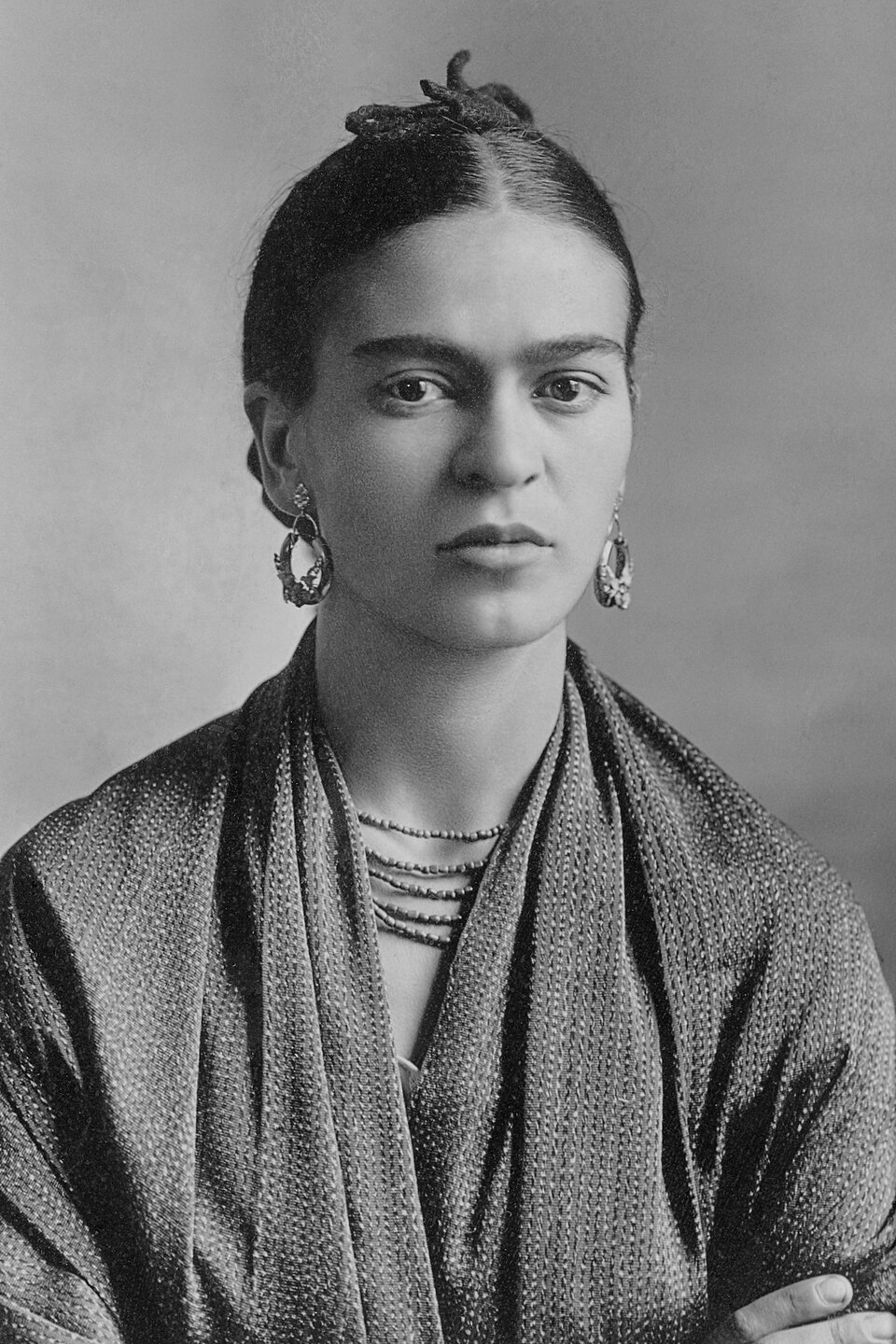
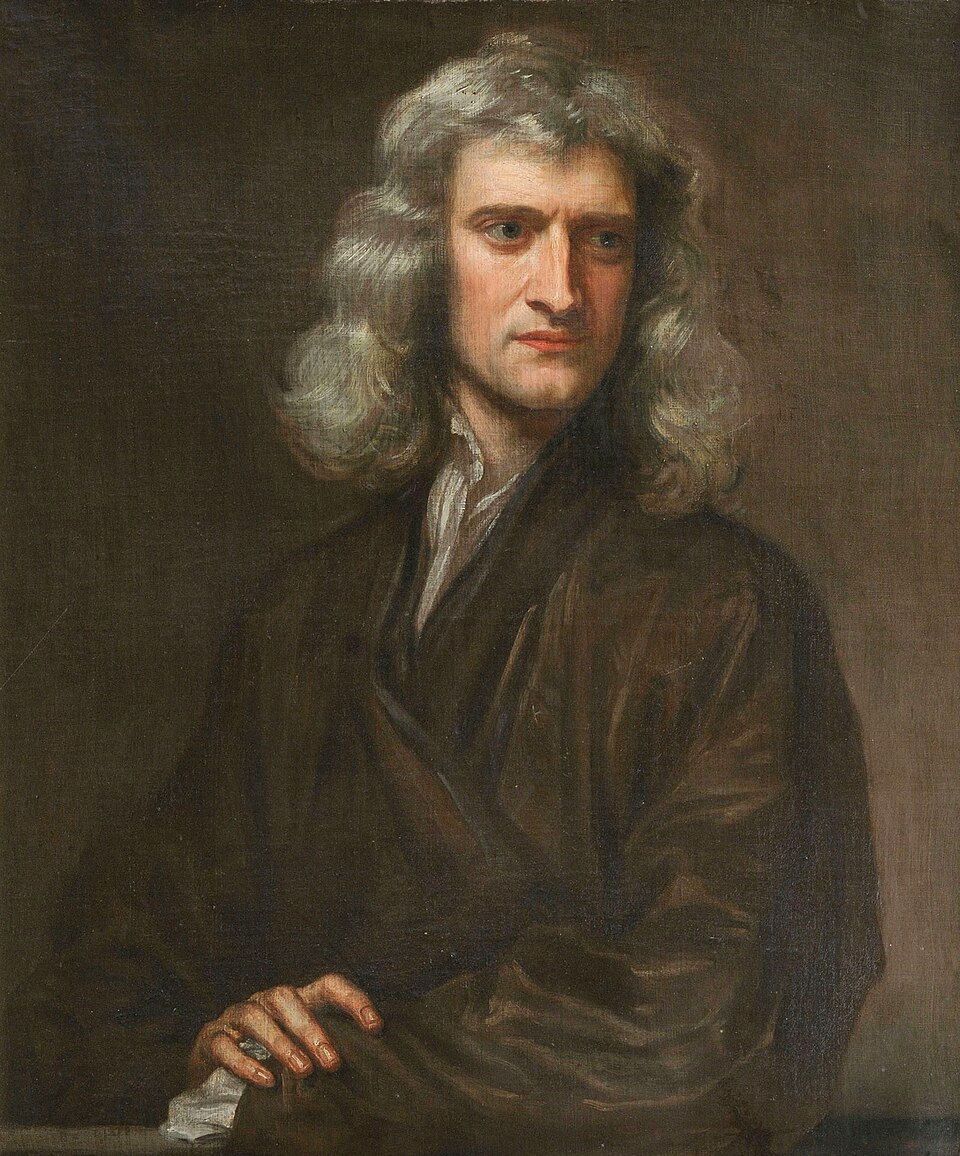
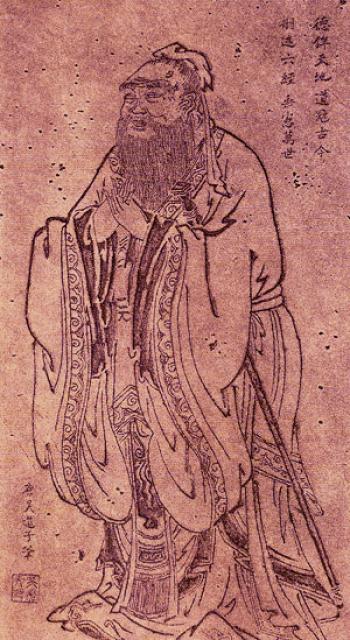
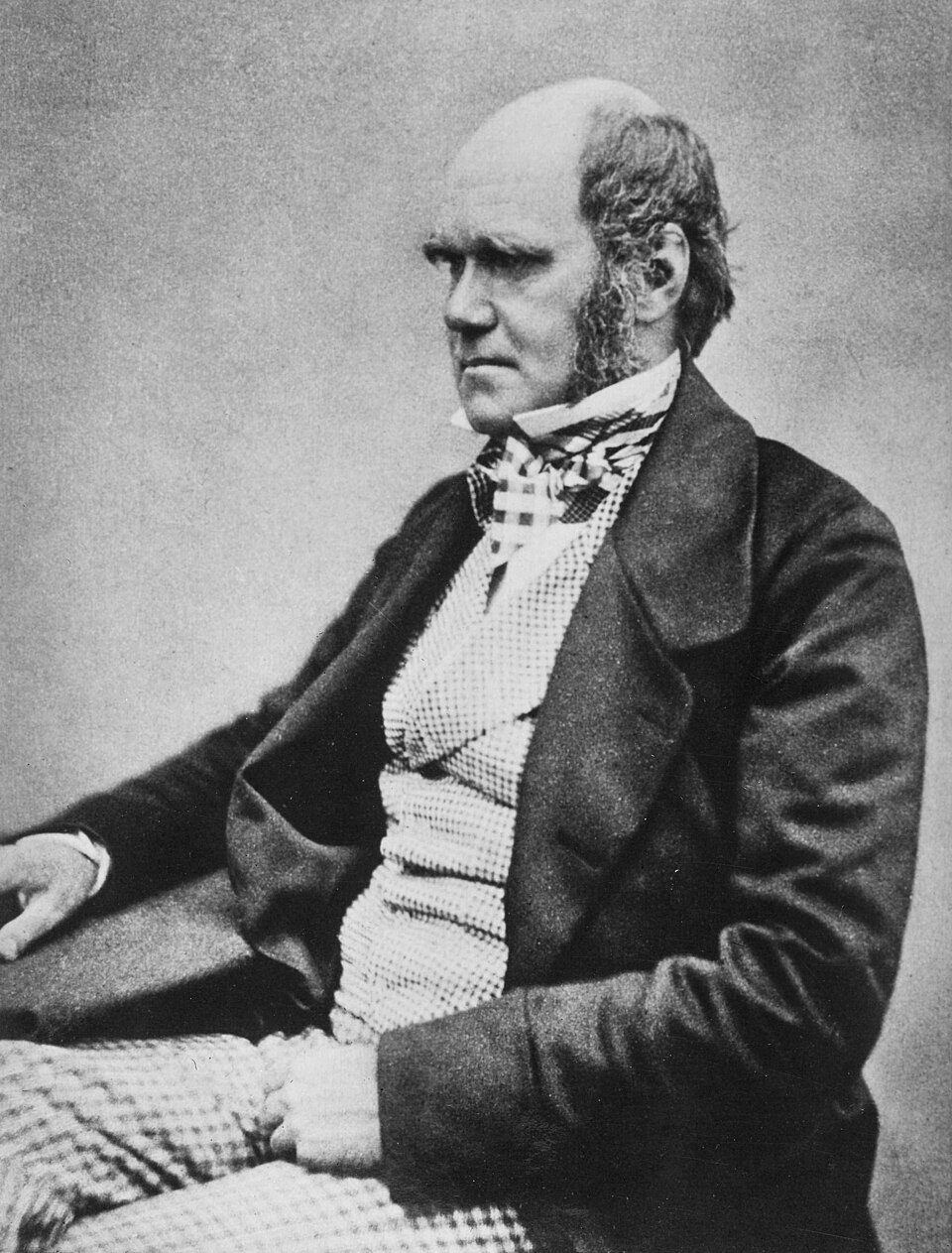
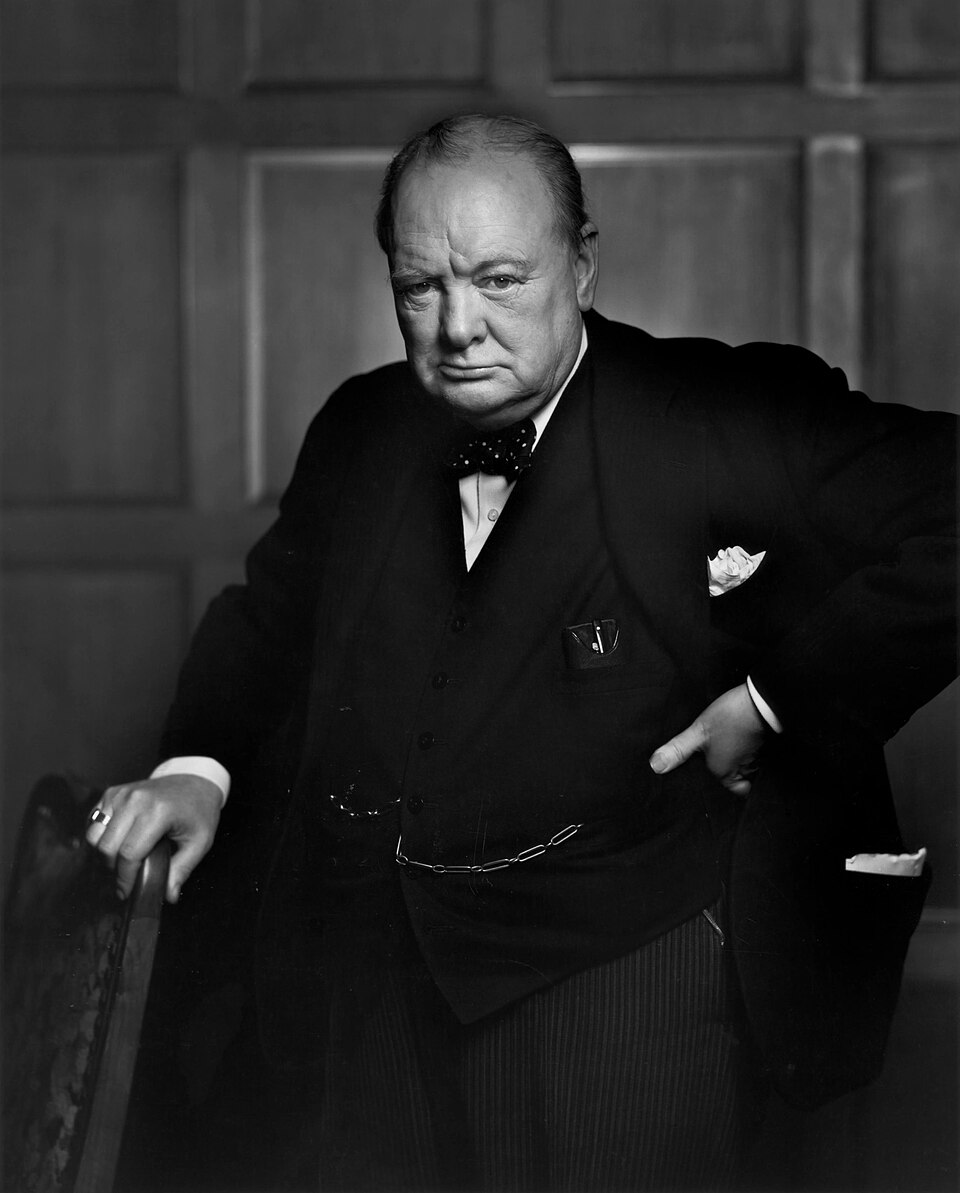
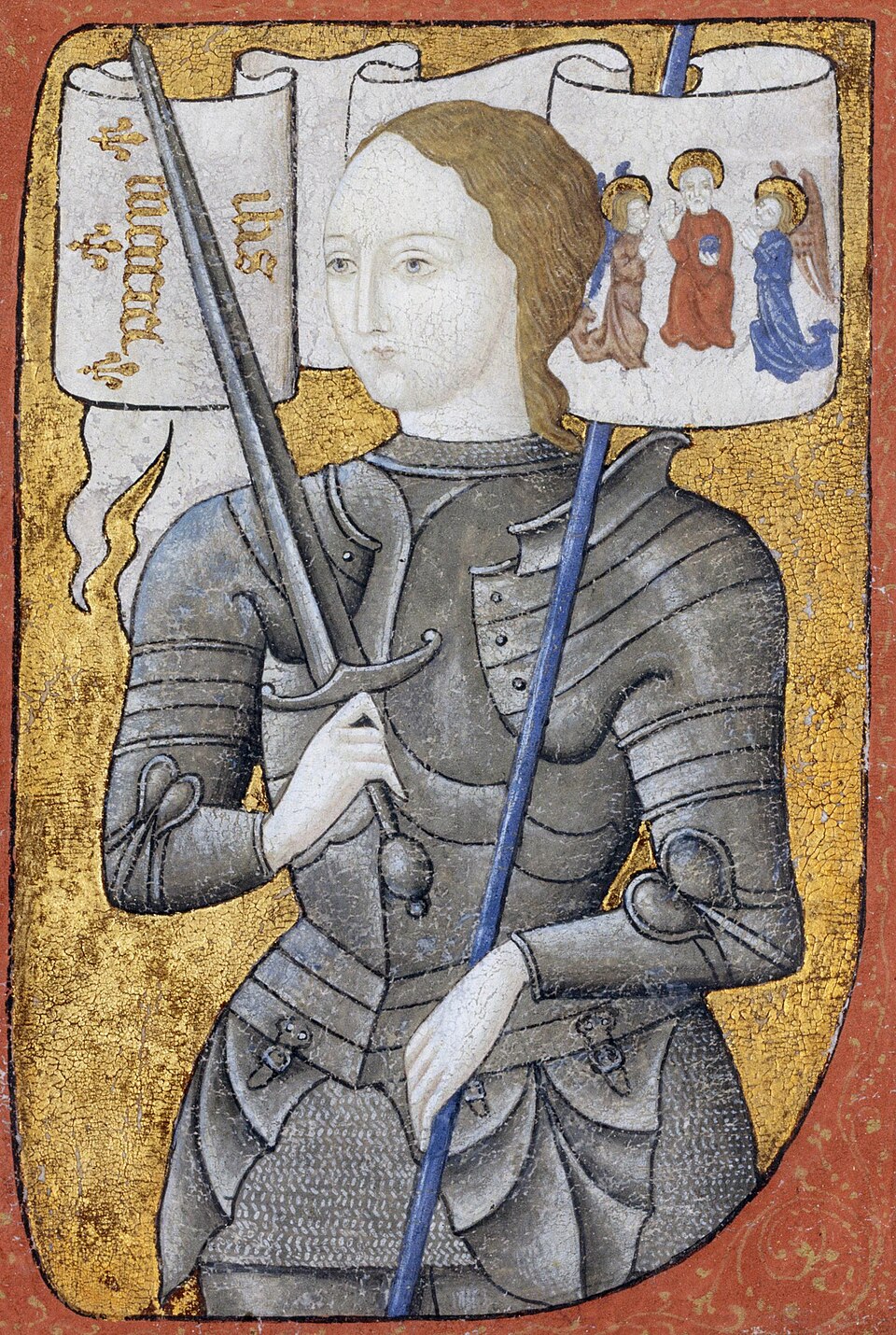
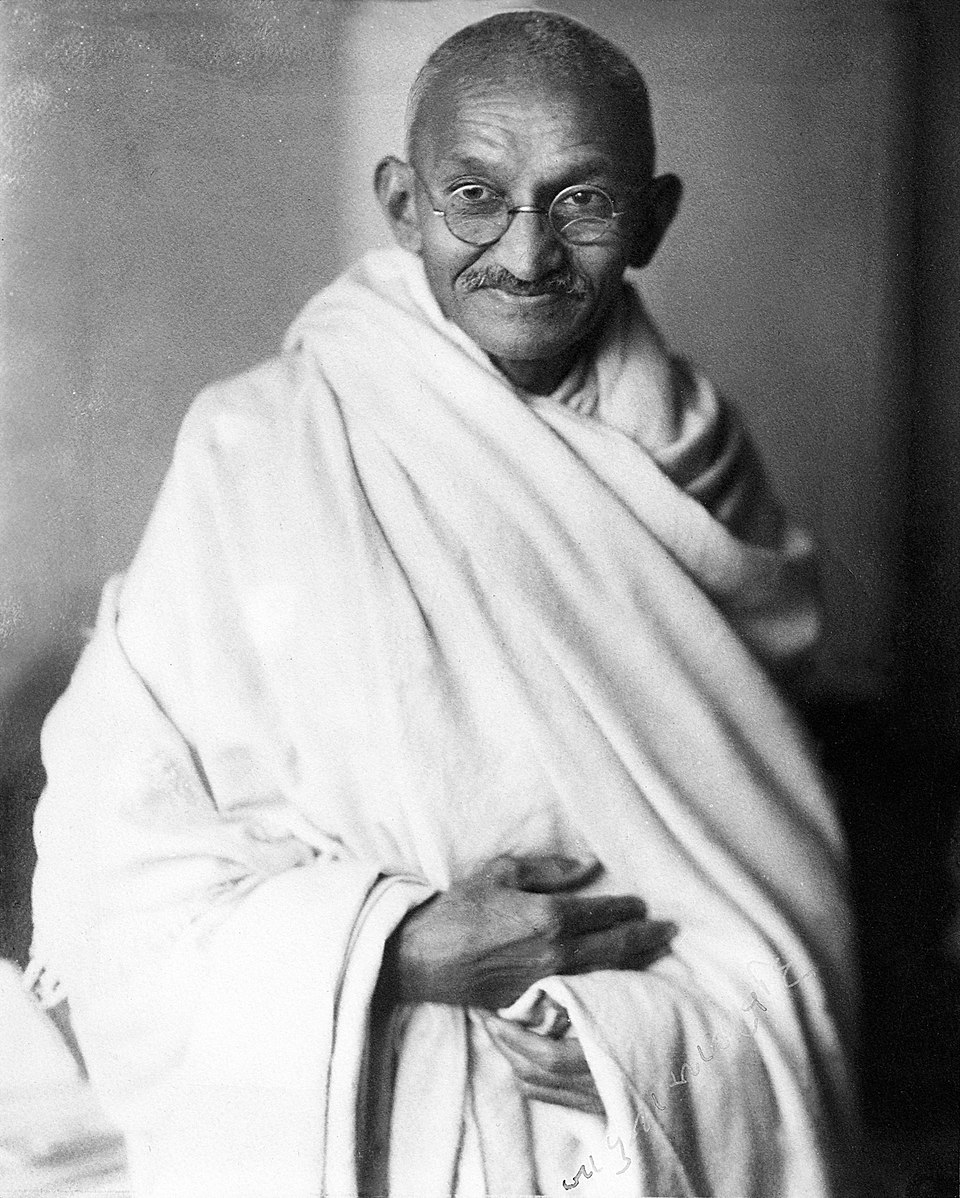
Einstein, Lincoln, Cleopatra, Marie Curie. Socrates. Frida Kahlo. Isaac Newton. Confucius. Charles Darwin. Winston Churchill. Joan of Arc. Gandhi. More arrive every week.
What it feels like
Here is what it is like to sit with one of the figures.
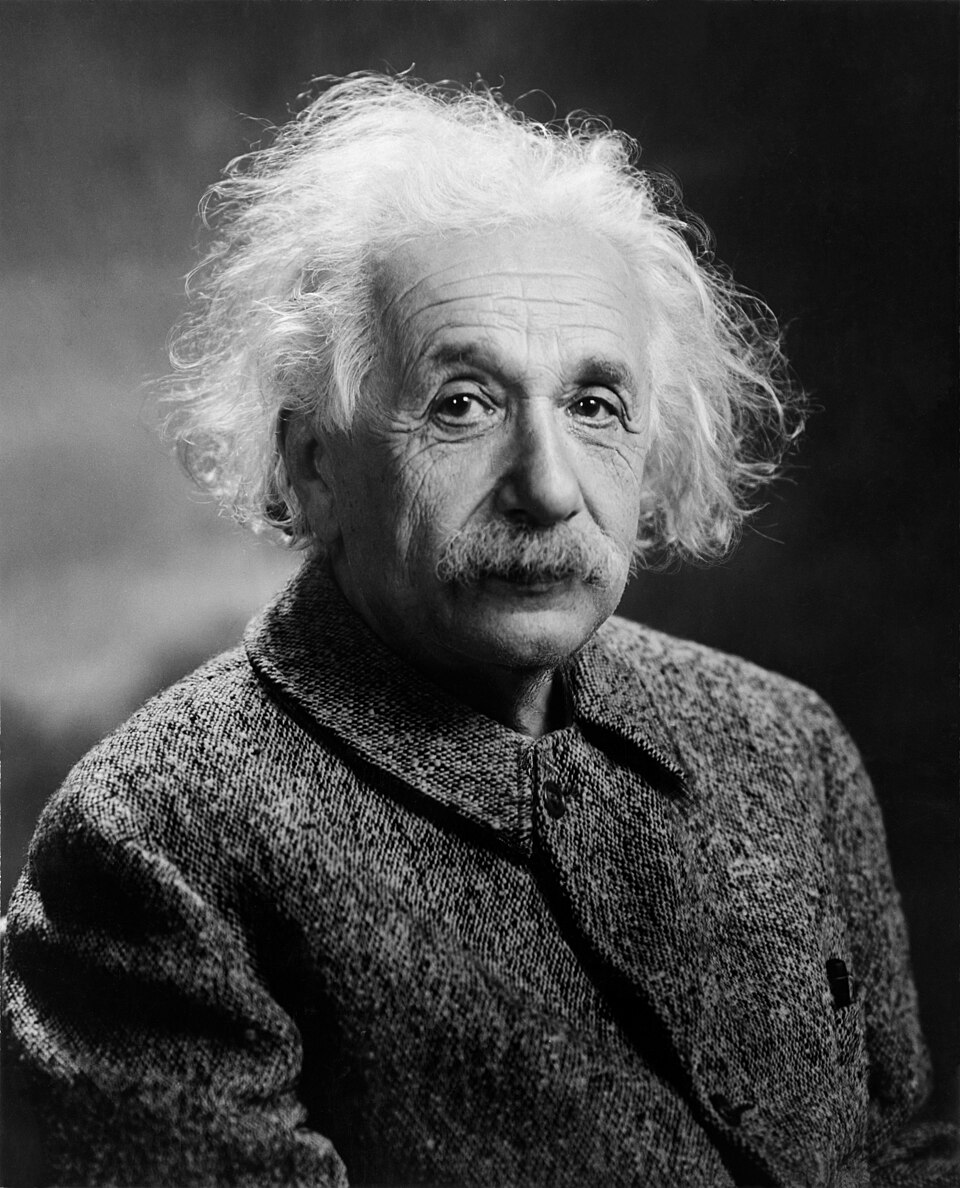
Can you explain relativity the way you'd explain it to a friend?
Einstein answered
“Put your hand on a hot stove for a minute and it seems like an hour. Sit with a pretty girl for an hour and it seems like a minute. That’s relativity.” (paraphrase attributed to Einstein, 1929)
How I might have answered…
Time and space are not the fixed stage I was taught they were. They bend with motion and with gravity. What you measure depends on where you stand and how fast you move — there is no single clock ticking for the whole universe.
Did you know how big it would become when you published it?
Einstein answered
“Imagination is more important than knowledge. Knowledge is limited; imagination encircles the world.” (Saturday Evening Post, 1929)
How I might have answered…
Honestly, no. In 1905 I was a clerk in a patent office, thinking on trams and in stairwells. I trusted the mathematics before the world trusted me. The eclipse of 1919 is what turned an idea into headlines.
Your turn. Ask anything.
Begin a conversationBreakthrough moments
Read the way you read
Plain English. Story before jargon. No assumed knowledge of the period. The people of history, talking the way people actually talk.
Begin exploring →Dates and sources inline. Primary vs. secondary accounts flagged. The context and competing interpretations that make a period make sense.
See the depth →Lesson-prep mode. Discussion questions and classroom angles in every reply, plus the Lesson Builder that exports a full outline. Group seats and a shared library on the Classroom plan.
See how educators use it →New — The Council
Seat 2–5 figures from any field or era. Say nothing. Within thirty seconds, one turns to another and speaks. Ask a question and watch them respond — to you, and to each other.
Come back minutes later and find a conversation you didn't start. Einstein and Newton, still at it. Curie weighing in. Lincoln and Churchill on leadership in crisis. The council doesn't wait for you.
Gather a Council →The figures speak on their own
Newton
Herr Einstein — I built the world on absolute time and space, a fixed stage on which the planets move. You have told me the stage itself bends. I confess I should like to see the arithmetic of it.
Einstein
Sir Isaac, your laws still hold where speeds are gentle and gravity is mild — I did not overturn you so much as find the edges of your map. Near a star, or near the speed of light, time itself keeps a different clock.
Curie
You two argue about the shape of space; I spent my life on what fills it. The atom you both assumed to be solid was, in my shed, quietly coming apart. Perhaps certainty is the first thing any of us should hold loosely.
No question was asked. The council was just gathered.
Every field, every era
Each figure speaks in their own voice, from their own era, with honest acknowledgment of what the record confirms and where it runs thin.
On the question of accuracy
Every reply is one of two shapes. A documented quote, shown with a source. Or imaginative extension, prefaced — "How I might have answered…"
The two never blur. Where the record is silent, they say so — no invented citations, no confident fiction.
For educators & classrooms
Sit with the people who lived it. Build your lesson straight from the conversation. Get your Sunday night back.
Every response in Teacher mode includes discussion questions, classroom angles, and primary-source pointers. Ask Lincoln what he meant — get back a working lesson.
One click exports any conversation into a full lesson outline: big idea, key moments, discussion questions, source list. Export to text or Word.
Bring your whole class into history. The Classroom plan includes multiple seats, a shared lesson library, and the full figure roster — built for schools, museums, and libraries.
Bring your classroom into history.
Scholar and Classroom plans available. Discounted access for public schools and libraries.
Don’t see your figure? We’re adding new figures every week.
Suggest a figure →